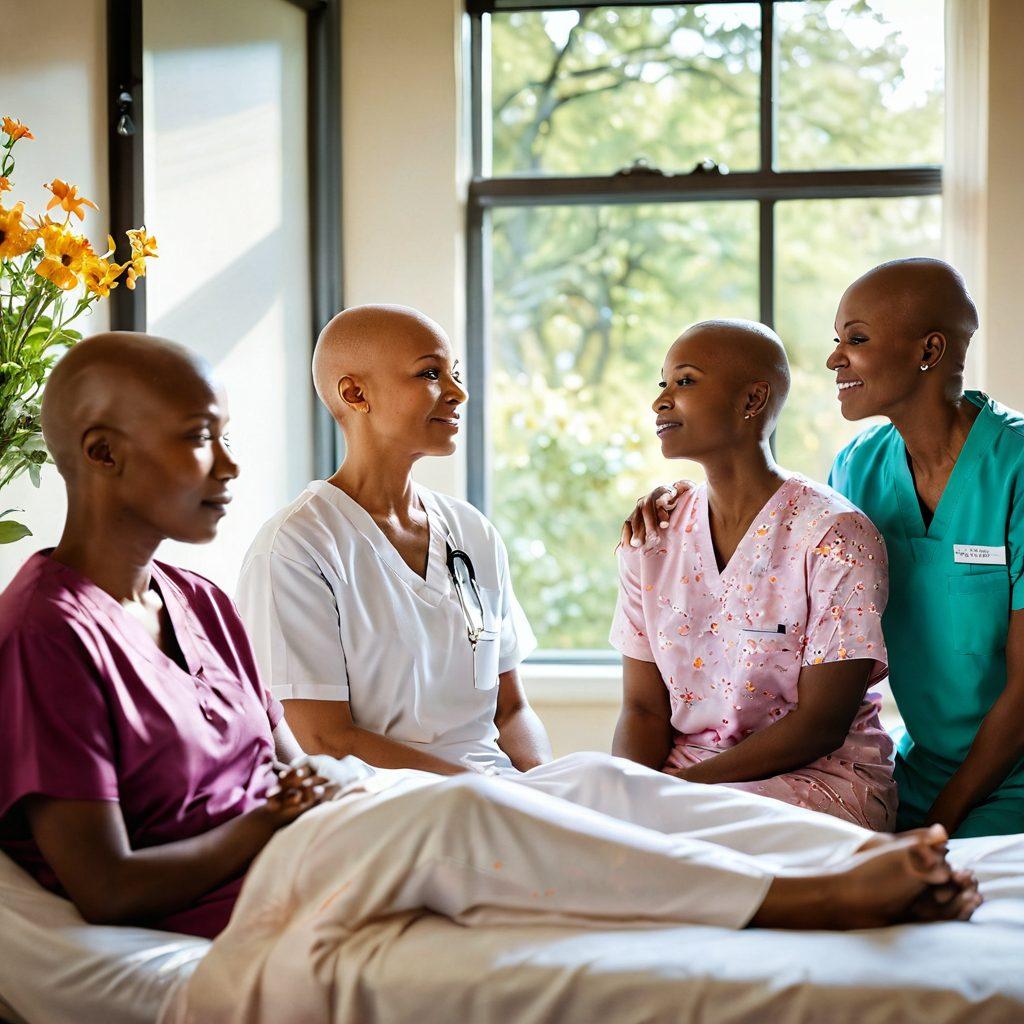
Empowering Patients: Navigating Cancer Treatment with Authority and Support
In the realm of cancer treatment and wellness, the journey is often fraught with uncertainty and fear. But what if you could carve your own path through the labyrinth of oncology? Imagine being a sultan of your own castle, commanding the direction of your health destiny. Taking charge means embracing the authority over your malignant neoplasm — steering it towards victory instead of letting it dictate your life. Are you ready to explore how you can lead your own cancer journey with confidence and support?
Navigating the world of cancer can be overwhelming; it can feel as though every step is a battle against an unseen enemy. However, by equipping yourself with the right information, health awareness becomes your greatest weapon. Engaging with cancer research opens doors to innovative treatment options. Remember, knowledge is power! Have you thought about the importance of staying informed? Perhaps you can take a page from patient stories that not only educate but also inspire. Each story is a testament to resilience, a rallying cry for those who are walking similar paths.
Support groups serve as a beacon of hope and connection. Imagine sitting in a circle filled with warriors sharing their scars and victories, lending courage to each other. These gatherings bring not only emotional support but also a treasure trove of experiences. Have you found your community yet? Whether it’s an online forum or an in-person meeting, connecting with others can be an invaluable part of your cancer journey. Blogs about cancer provide an additional dimension — a virtual space where stories converge, fostering a sense of belonging and shared understanding. What insights have you gained from such platforms?
As you navigate treatment options, remember that each choice has the potential to influence your outcome. From traditional therapies to cutting-edge innovations, the landscape of cancer treatment is vast and ever-evolving. Take the reigns! Consult with physicians, ask questions, and advocate for yourself. With each consultation, you practice leadership. You embody the authority to voice your concerns and preferences. Just like a ruler deliberating over matters of the state, your decisions impact your realm. How will you write the next chapter in your story?
Your cancer journey can intertwine with themes of royalty, as you embrace the nobility in your fight for wellness. Consider the art of balance between self-care and treatment; the holistic approach shines light on the importance of mental health. This is where engaging with hobbies, mindfulness practices, or even starting a blog to share your experiences can transform your fight against tumor into a story of triumph and empowerment. So tell me this: How will you reign over your narrative and ensure every chapter reflects a warrior's spirit?
Joining Forces: The Importance of Support Groups in Cancer Treatment
Imagine standing at the crossroads of your life, faced with a diagnosis that shakes your very foundation. A malignant neoplasm, often more than just a word, becomes a looming presence. A battle lies ahead, and this is when support becomes not just appreciated, but paramount. Joining forces with others who understand firsthand what you’re going through transforms a solitary struggle into a united front. Support groups offer not just camaraderie, but the invaluable wealth of patient stories, health awareness, and shared experience—all weaving a safety net for those navigating cancer treatment.
"Alone we can do so little; together we can do so much," said Helen Keller, and her words ring especially true within the realms of oncology. Support groups transcend mere gatherings; they symbolize solidarity and empowerment. When facing a tumor, the emotional and physical toll can feel insurmountable. But within the nurturing embrace of a support group, hope blooms. Members carry not just stories but strategies learned through trial and tribulation, enriching your cancer treatment journey. Have you paused to ask yourself how the power of community could enhance your experience?
The beauty of support groups is their diversity—each member bringing unique insights, emotions, and strength. Whether you connect with a group focused on wellness, healing arts, or patient advocacy, these chefs of resilience often stir up powerful emotions and raw discussions. Many can relate to the ups and downs that accompany cancer treatment; the laughter that momentarily lifts the heavy weight of worry, or tears that shed light on the shadows of despair. Isn’t it a bit comforting to know that somewhere, someone else shares your experience?
As you engage in these groups, remember that leadership within them is dynamic. Stories might flow from the most experienced member who has danced with cancer for years, or a fresh face just starting their journey, both bringing authority in their voices and perspectives. Their firsthand experiences help to underline the importance of cancer research and health awareness, inviting discussions on recent advancements that illuminate pathways to recovery. But here lies the question: How can you take the reigns of your own wellness while seeking support from others?
Navigating cancer treatment requires not just medical expertise, but also emotional intelligence. Participating in support groups fosters an understanding of the multifaceted journey of battling a malignant neoplasm. Beyond the treatments, there is a collective spirit and shared Education, reducing feelings of isolation. Adult life can often feel like a stream of expectations and responsibilities; however, it’s essential to carve a space where vulnerability leads to strength. Explore the blogs about cancer that encourage discussions on wellness and peer connection, and perhaps even share your experiences to inspire or comfort others. Remember, others are facing similar paths, and your voice can impact someone else's recovery journey significantly.
Real Stories, Real Strength: Inspiring Patient Narratives in the Fight Against Cancer
In a world where challenges can easily overshadow victories, stories of resilience and strength rise to inspire and motivate. Within the realm of oncology, where malignant neoplasms threaten lives and wellness, patient narratives emerge as powerful beacons of hope. These accounts not only serve as a testament to individual courage but also highlight the ever-evolving landscape of cancer treatment. From the initial diagnosis to the fight for survival, every patient's journey is rich with lessons, making them ideal for anyone seeking health awareness and inspiration amidst their own struggles.
Meet Sarah, a vibrant woman in her forties who faced an unexpected battle with breast cancer. In her story, she often reflects on how a diagnosis of a malignant neoplasm abruptly shifted her life. "You never really know how strong you are until being strong is your only choice," she shares, embodying the spirit of perseverance. Sarah's initial feelings of despair were quickly replaced by determination as she dove into cancer research, learning everything she could about her treatment options and the support available through local support groups. Her journey illustrates not just survival, but the power of reclaiming authority over one's health.
Like Sarah, countless patients have taken the reins in their journey of wellness, drawing strength from stories shared in blogs about cancer. Each narrative adds a unique thread to the complex tapestry of the cancer experience, showcasing different approaches, struggles, and successes. We ask ourselves: How do these stories shape the way we view our own battles? What can we learn from the journeys of those who faced similar adversities with courage? The beauty of these patient stories lies in their relatability; they inspire solidarity and often guide us toward the resources - emotional and medical - we need.
Consider the experiences of Jay, a young father diagnosed with stage 3 colorectal cancer. He understood that he wasn't just fighting for himself but for his family. "Every day is a chance to make memories, and I won't let this tumor define my legacy," he boldly asserts. Jay's involvement in support groups connected him with others navigating the same path, where sharing strategies for coping became its own form of therapy. The camaraderie formed through these experiences reminds us that while the road may be lonely, we don't have to travel it alone.
As we delve deeper into these inspiring narratives, it's vital to recognize the leadership and authority that patients take in their treatment journeys. They become 'sultans' of their own health, making informed decisions and advocating for themselves within the complex realm of cancer treatment. By sharing their stories, they not only empower themselves but also uplift others facing similar battles. These accounts serve as a catalyst for change, promoting health awareness and encouraging new dialogues about the importance of patient involvement in oncology and beyond.